

















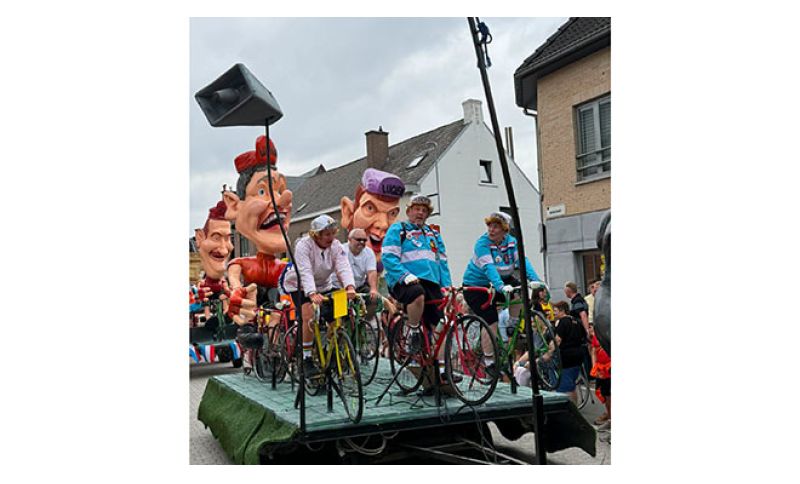

No offense to Liga, but his bar Mario – where sooner or later everyone shows up – takes a back seat to the Octopus, a sacred place that these days is dressed in yellow. It couldn't be otherwise, nothing artificial to forcefully press the accelerator on media hype: we are in Erpe-Meer, from the counter that repeatedly pours Jupiter beer you often catch sight of the silhouette of local hero Lucien Van Impe, not only for the due interviews with the last Belgian (Flemish) to have won the Grande Boucle.
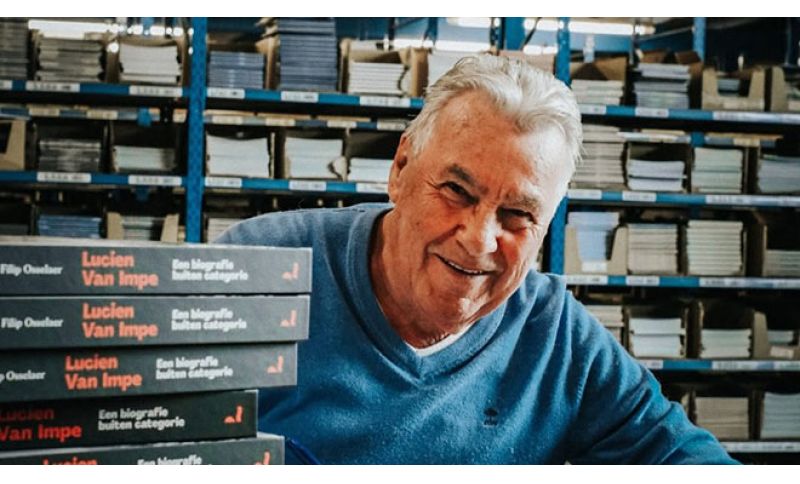
Halfway between the commemoration of the historic success in 1976 and the Tour's arrival at two climbs symbolic of the epic of the six-time king of the mountains, Orcieres-Merlette and Alpe d'Huez, Filip Osselaer, official biographer, set designer and life enthusiast, takes us back to that scorching summer when the "little man from Mere" perhaps fully understood that he, raised with five siblings in a working-class pub, would completely abandon any dreams of making his fortune as a musician.
He poured his great dream onto the instrument of pedals, "amid striking victories in the Merckxian Golden Era but also amid missed opportunities" – clarifies Osselaer, who in his book indulges appropriately in the personal sphere of memories... that is to say creating a biographical account without sensationalist overtones. A very personal Madeleine in which the Lucien myth has made the history of 1976 coexist: "This is the story of 1976. The story of my year. The year of my wonderful and scorching summer. The wonderful and scorching summer of a year that began in cold and humidity. With flooded streets in Ruisbroek and King Baudouin – in rubber boots – comforting the deep despair of the village inhabitants".
Delightful is the series of musical reminiscences: "'Willempie', a huge hit that arrived well before summer, during the Aalst Carnival and present on TV every day: In summer other songs arrived with even more bizarre lyrics: 'Zoetemelk was too lazy to pedal at the front. And staying in the slipstream, Lucien took the yellow jersey'". It was, again, the season of Jan Wauters on the radio: "a man I saw working beside me in the mountains for all those years. And Fred De Bruyne on television: a person who became a friend during the many races we lived through together. Or, stepping outside the cycling world, of juicy peaches bought at the little shop: 'Da Maria', for fruit and vegetables. The right place".
Not to mention the Café Van Impe Sport, the famous "bar Mario" that these days has a very special aura. Among jerseys and other memorabilia, at least three times a week you find him there, Lucien, for whom Orcieres evokes his first Tour victory, in 1972 (2nd Agostini and 3rd, get this, Merckx), approached by the podium finish, again at Merlette, behind Ocaña. Four years later, second place on the ninth stage at Alpe d'Huez represented the first pillar upon which rests the wearing of the yellow jersey in Paris, exactly half a century ago. Ahead of whom? Zoetemelk, the one from the little song. In that span of time, and then after, also on the roads of the Giro, Van Impe established his name on the grand stage, in the awareness (in good company) of how burdensome the Merckx myth could be. "He has always fully acknowledged Eddy's unreachable greatness, with whom there exists an intense and lasting bond, they even speak twice a week. Lucien has solid anchors like family and friends, he has never changed and this is what I perceive in the book presentations," adds Osselaer.
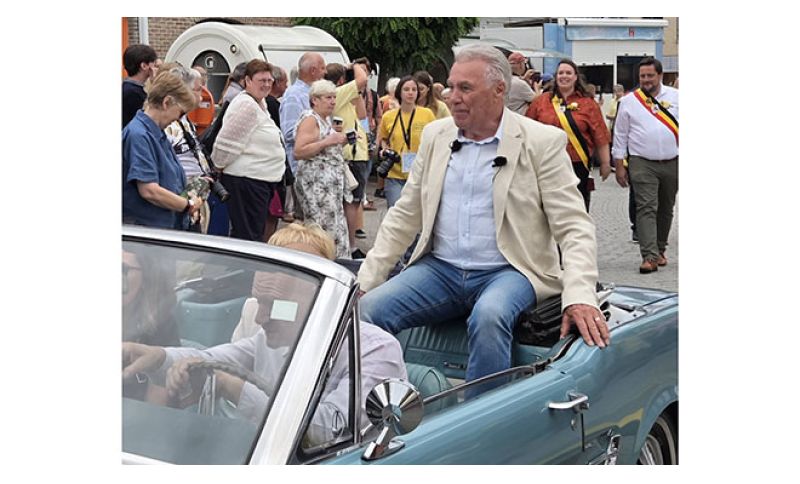
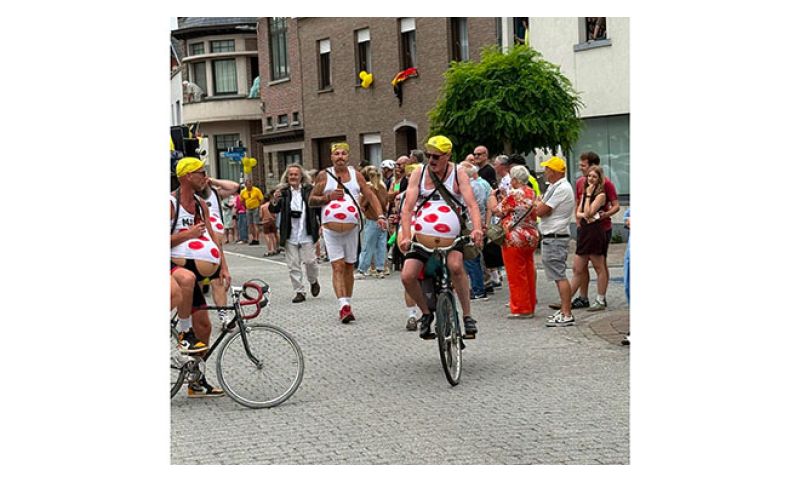
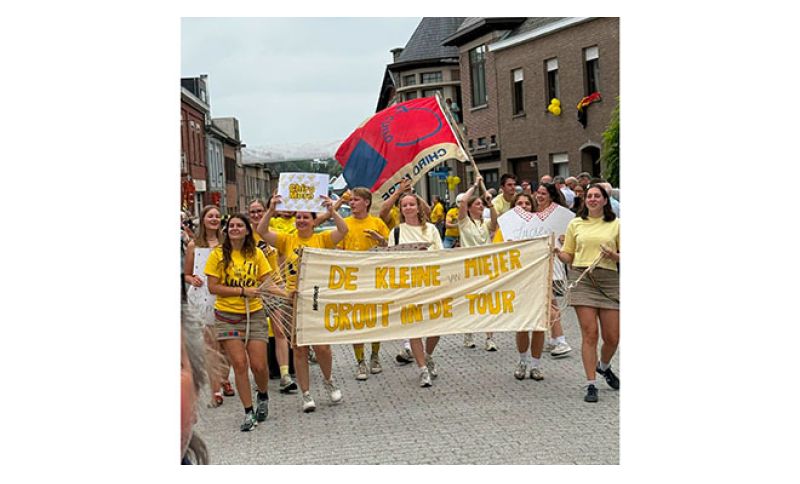
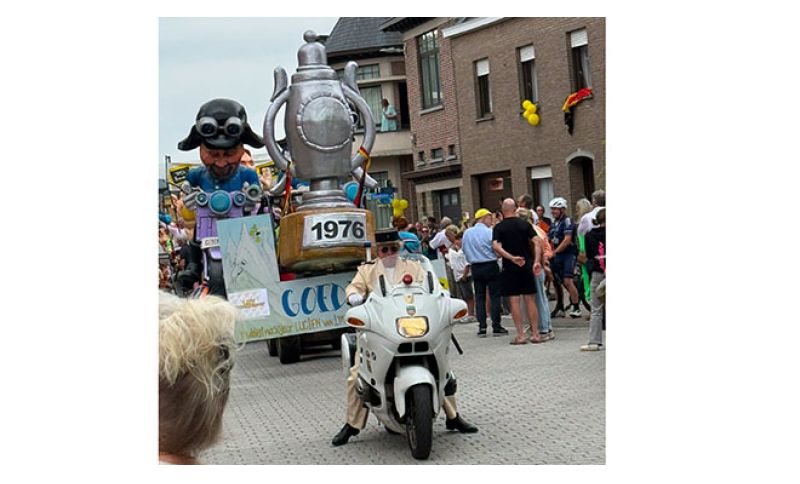
There is gratitude, which became a celebration on Saturday the 18th through the streets of Meer, with allegorical floats, an open-air car tour and a brass band: "Van Impe has the merit of not being jealous of his achievements, he realized the dream even for those who don't ride bikes or who certainly don't possess the gift of a climber inspired by Bahamontes (who in Navarre noticed that young Flemish rider who resembled him as a 'grimpeur', editor's note)."
The biographer's conclusion, who has also worked with De Vlaeminck and Remco, is a singular reflection: "Lucien, with his single Tour victory, also embodies the example of how in life one can do something great even just once. For us who still love him today, that message is fundamental".

 2
2


 2
2


 20
20
8
8
13
13
20
20
8
8
13
13

 Ritratti
 Oscar
Oscar Albi d'Oro

