















While some sponsors are leaving sports because they cost too much and don't generate money, Red Bull goes against the tide and continues to invest. So the question is: why does Red Bull increase its sports investments every year?
The answer is very simple and at the same time very obvious: Red Bull pays for sports and sports sell the energy drink. All of this is enclosed in a marketing operation where sporting events are enormous advertising billboards with real commercials.
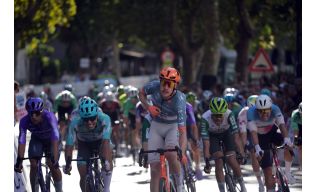
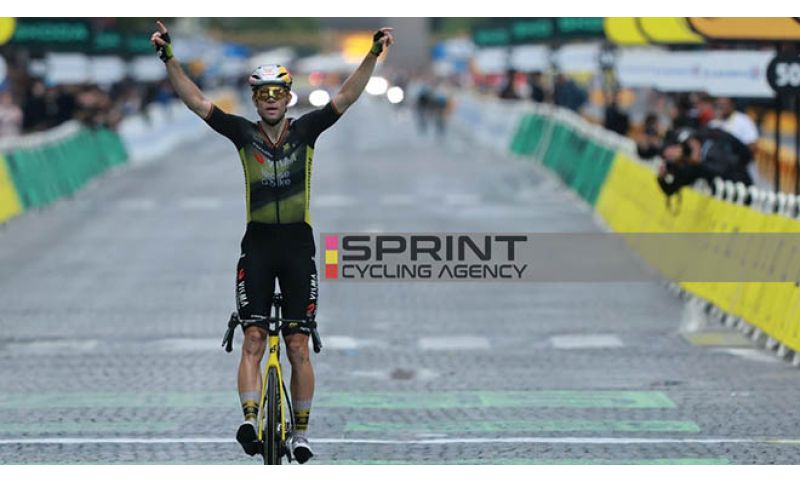
We can provide many examples, and going in chronological order, we must remember Wout van Aert who masterfully won the last stage of the Tour de France wearing a blue Red Bull helmet. In soccer, Red Bull Salzburg is fighting for a Champions League spot, and Max Verstappen drives a Red Bull F1 car.
How many times has the Red Bull logo been captured during these sporting events? Countless times, and if the images are compared to a commercial, then we must think that no sport is the same, it's not trivial and always manages to surprise the audience, which thus becomes accustomed to associating a beverage brand with something that is always in motion.
This is the type of advertising Red Bull was looking for, and sports are simply the perfect scenario for this type of marketing.
Red Bull is not listed on the stock exchange, and the owners, namely the Mateschitz and Yoovidhya families, are responsible only to themselves, and every time they enter a sport, they do so to win, not to be domestiques. Regarding investments, not long ago, Red Bull was advertising during soccer match breaks. Today, the matches themselves are advertising for and of Red Bull, and the same is happening in other sports.
Looking at the figures, in 2023 the group generated a turnover of 10.5 billion euros. The net profit was a substantial 1.77 billion euros.
There's no comparison with the financial results of its sports companies. Max Verstappen's Formula 1 team recorded a turnover of 359.7 million euros in 2023, with a net profit of only 1.52 million euros.
In soccer, its flagship Red Bull team, RB Leipzig, reached a record turnover of 466.7 million euros in the 2023/2024 season, which was only possible thanks to exceptionally profitable transfers of Josko Gvardiol (90 million euros), Dominik Szoboszlai (70 million euros), and Christopher Nkunku (60 million euros) to major English clubs like Manchester City, Liverpool, and Chelsea.
Despite these enormous sums, the final net profit was only 4.6 million euros. Looking at these figures, it's easy to understand that Red Bull's goal is not to generate billions through sports, but sports are used as an extremely efficient marketing machine with global reach, and the real profit is not in the individual team's balance sheet, but in the minds of millions of consumers worldwide who, by following sports, continue to see Red Bull images and consume it.
The energy drink's YouTube channel increases its views every year, reaching figures that a normal advertising medium could never have.
Think of the iconic jump of the late Felix Baumgartner, who jumped from a hot air balloon at almost 36 kilometers altitude wearing a pressurized suit similar to those used by astronauts, with the intent of becoming the first parachutist to break the sound barrier.
At its peak, the live stream was watched by over 8 million viewers simultaneously on YouTube. The footage has been viewed almost a billion times. An impact that a traditional advertising message could never match.
Gordana Sarić, former Red Bull Media House manager, had stated that the company creates a positive perception among consumers, leading to increased brand recognition, preference, and customer loyalty. No small feat, considering that with its sports investments, Red Bull no longer needs to interrupt events and use breaks to be seen, but can directly enter teams and communicate with athletes, making them a true personal testimonial.
Red Bull wants to be synonymous with sports adrenaline and therefore seeks to sponsor athletes who convey this type of sensation to the public. For example, there are images of Verstappen in F1 and then shots of Tom Pidcock miraculously staying on his bike while descending a hill at almost 100 km/h.
Van Aert also represents that adrenaline and proved it by winning in Paris. Regarding Red Bull-Bora Hansgrohe and Remco Evenepoel's entry into the team, the discussion is the same. The Belgian is a two-time Olympic champion and world champion, and when he races, he transmits that energy that embodies the drink's characteristics.
For marketing experts, associating Red Bull with Evenepoel means entering the minds of his fans who then become consumers and Red Bull testimonials.
So what does Red Bull expect from this operation? Cycling is a popular sport with no entry tickets, which is why it's the sport with the most spectators, and Red Bull thus aims to see the maximum number of cans with its logo along the roadside during a cycling race.

 7
7


 7
7


 1
1
5
5
1
1
1
1
4
4
1
1
5
5
1
1
1
1
4
4

 Ritratti
 Oscar
Oscar Albi d'Oro

