























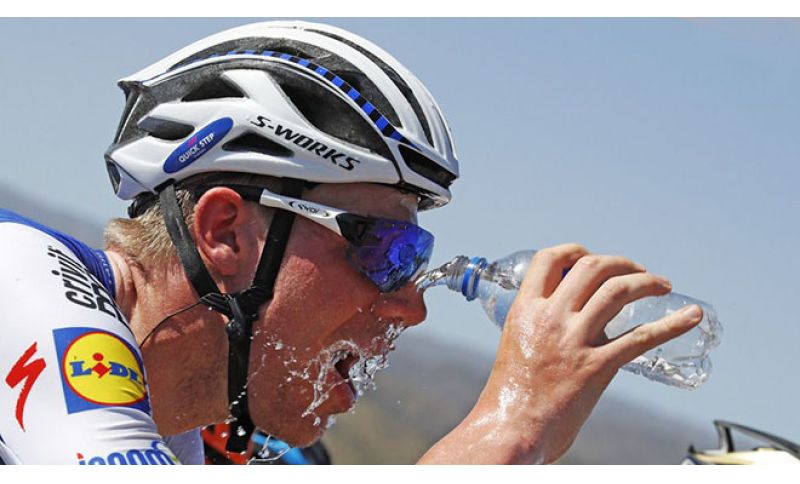
The issue now concerns the entire world of cycling. In recent years, extreme temperatures are no longer an exception but a constant reality. Riders are increasingly prepared from a physiological standpoint, but the human body nonetheless has limits beyond which even the best cooling strategies can do little.
The Tour de France, which every year exposes athletes to over eighty cumulative hours of racing, will inevitably be called upon to reflect on new protective measures. Ice under the jersey or cooling vests will no longer suffice: shared protocols and objective criteria will be needed to assess climate risk, more favorable race times, and perhaps, in the long term, even a different calendar.
Cycling has always coexisted with heat, rain, and cold. It is part of its history and its appeal. But climate change is profoundly altering the conditions in which races are held. Protecting riders' health does not mean undermining this sport, but rather ensuring its future.
The images from the French Championships, contested under relentless sun, could represent a turning point. Because the question posed by Pascal Chanteur is destined to become increasingly relevant: does it still make sense to ask athletes to race for over six hours with temperatures approaching 45 degrees? Sooner or later, cycling will have to find an answer.

 24
24


 24
24


 10
10
5
5
10
10
5
5


 Ritratti
 Oscar
Oscar Albi d'Oro

