


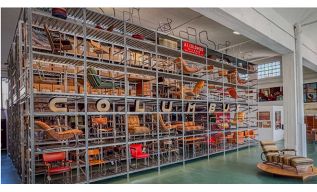















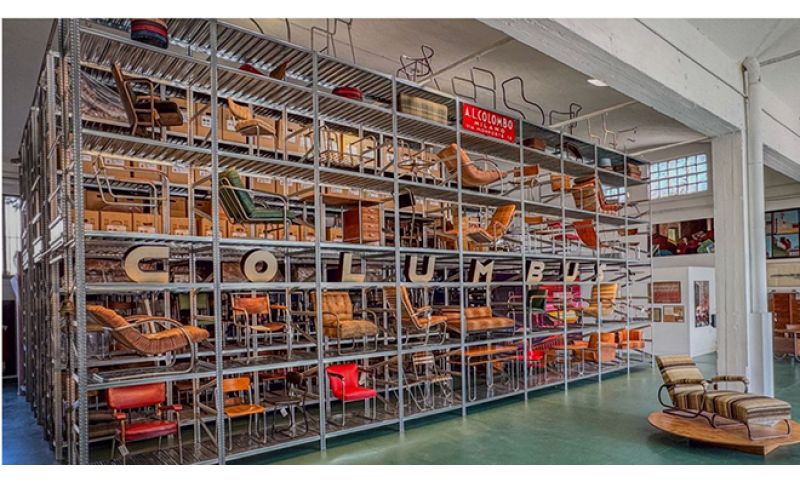
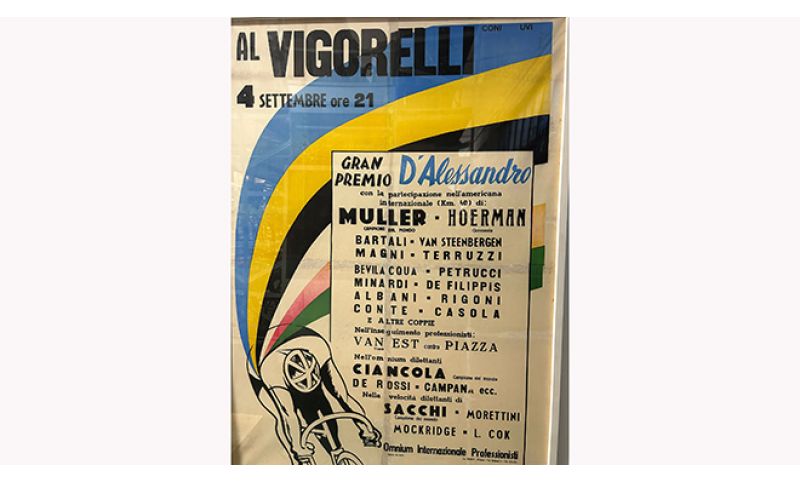
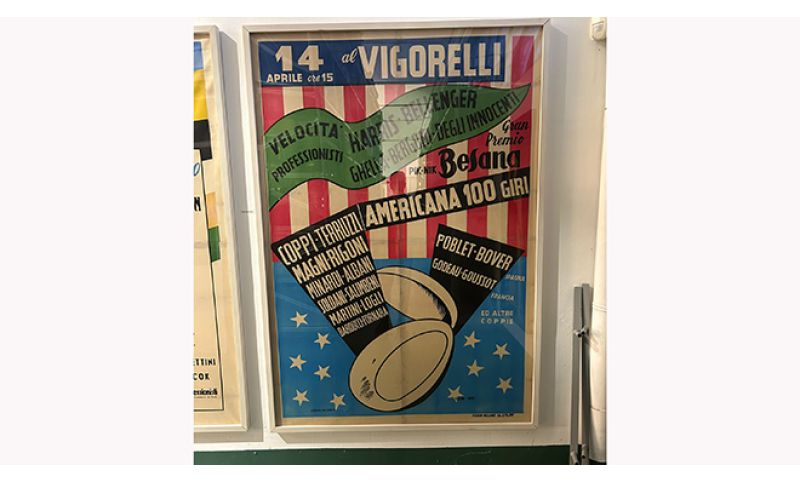


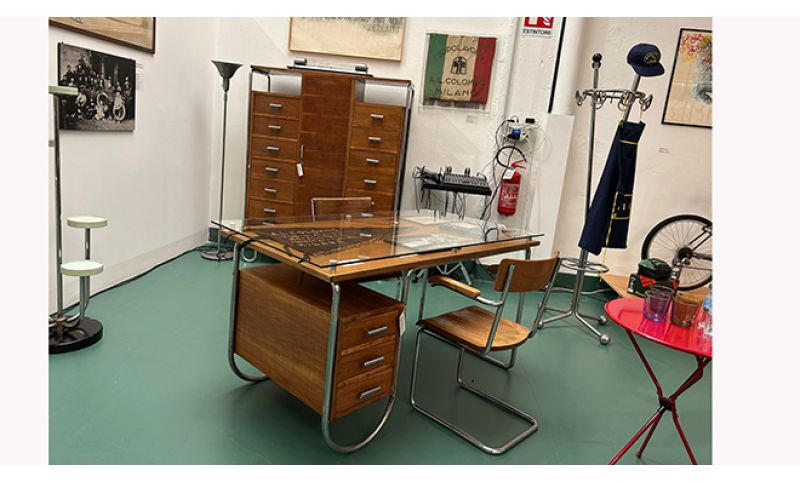
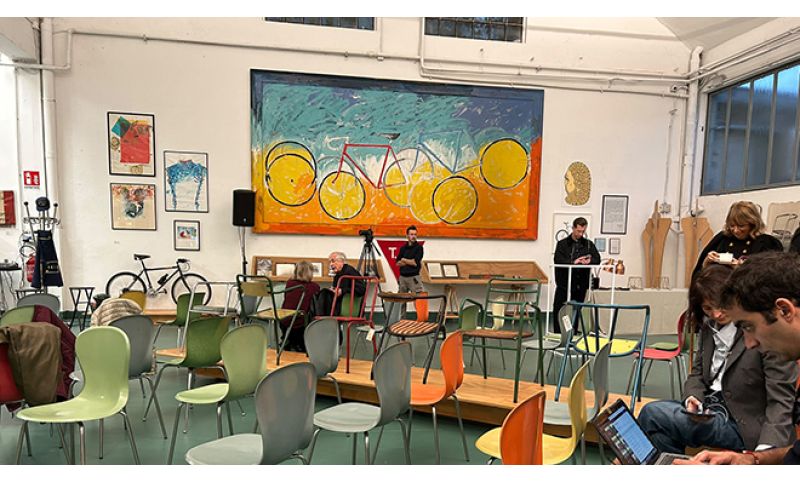
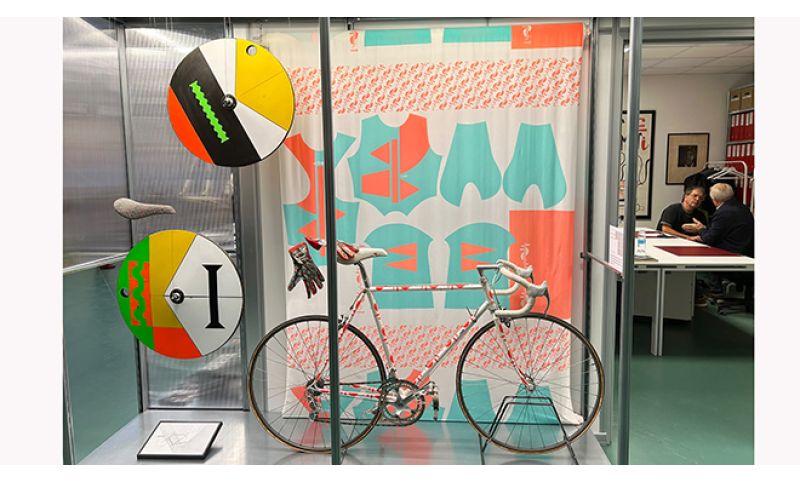
It is a living archive, waiting to be explored and regenerated. It is a special place, the Colombo's Archive, the new space that Antonio Colombo strongly desired and inaugurated last Tuesday in Milan, bringing together and organizing documents and prototypes, drawings and furnishings, photographs and works of art linked to the history of his family and his enterprises.
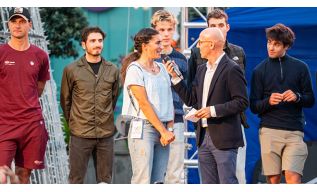
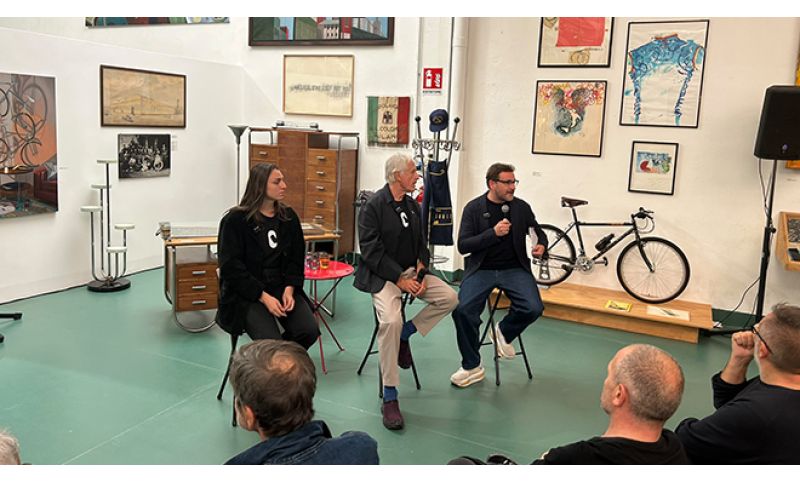
And as Marco Sammicheli perfectly explained, curator for the design, fashion and craftsmanship sector at Triennale Milano and director of the Italian Design Museum, who on this occasion served as guide and narrator for the evening, what was inaugurated is truly a special space, born from Antonio's vision and from his «kaleidoscopic desire to give a home to the multiple events that have intersected his personal history and that of his family».
It all began 107 years ago, when in 1919 Angelo Luigi Colombo founded A.L. Colombo in Milan, a company specialized in the production of steel tubes and special alloys. In the 1930s the business expanded into the production of metal tubular furniture under the Columbus brand, then initiating collaborations with some of the protagonists of modern architecture, including Marcel Breuer, Giuseppe Pagano, Giuseppe Terragni, Piero Bottoni, Luigi Figini and Gino Pollini.
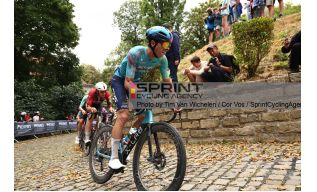
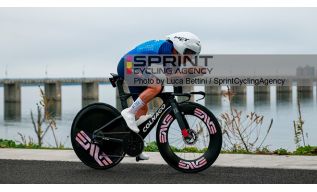
In 1976 Antonio Colombo launched Columbus Special Tubes for Special Bicycles and the following year acquired Cinelli. In the 1980s collaborations with Alessandro Guerriero and the Alchimia group, together with the work of designers and artists, transformed the bicycle into a true object of aesthetic experimentation, not merely a sporting or alternative mobility vehicle: the Rampichino and the Cinelli Laser are clear proof of this way of «living» and understanding the bicycle, elevated in 1984 by the meeting in Milan with Keith Haring, which found one of its most renowned expressions in the Laser associated with the artist.
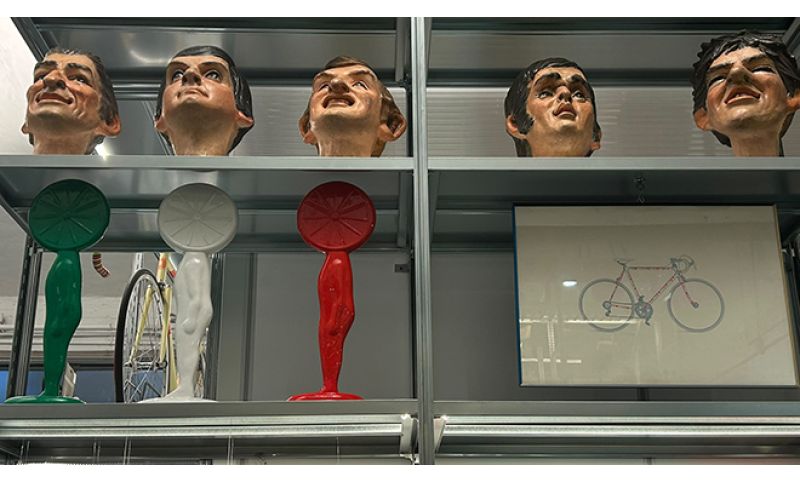
It is this interweaving of passions and activities, transformed on this occasion into an archive, that allows one to admire original furnishings and technical drawings, catalogs and photographs, bicycles, posters, trophies and works of art, as well as to study the drawings of Giuseppe Terragni or those of Alessandro Guerriero for the Super Corsa of 1984 and the lenticular wheel created by Alchimia in the 1980s.
Marco Sammicheli again explains that «the collection thus becomes an instrument for understanding the cultural, technical and productive conditions in which design takes shape, also restoring space to the people and processes behind every product».
Melania Andronic, curator of the archive, adds that «the archive responds to a concrete need: after decades of activity, Antonio Colombo found himself with thousands of documents and hundreds of objects preserved over time, which deserved to be put back in order».
And again in Sammicheli's words, «the Colombo's Archive is nothing more than a great sentimental accumulation, where a private individual, Antonio Colombo, finds himself performing a public function. And this living archive presents itself to the public as a semi-finished product that is ready to generate new lives».



 4
 4

 Ritratti
 Oscar
 Albi d'Oro


Se sei giá nostro utente esegui il login altrimenti registrati.