















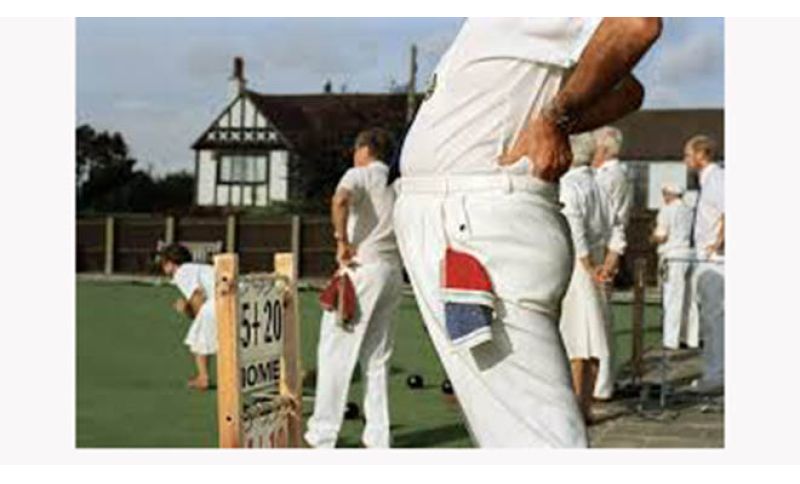
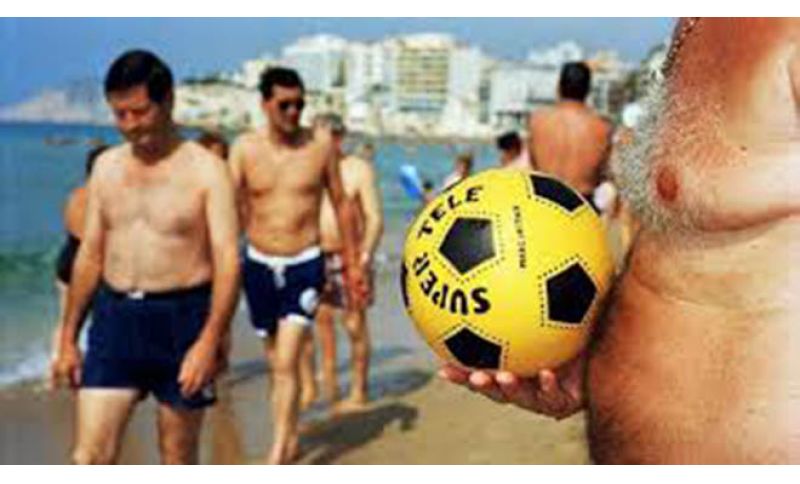

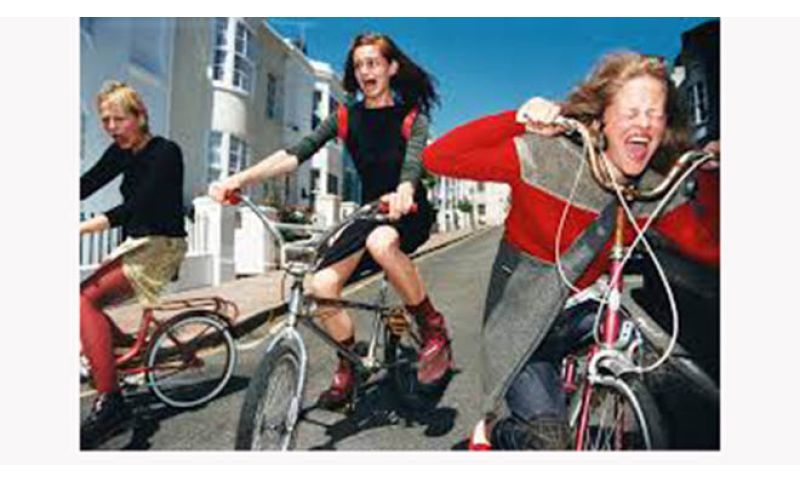
If he went to a golf tournament, he didn't photograph the champions executing a drive or a putt, but the caddies frantically searching for a lost ball in the bushes. If he attended a tennis match, he didn't immortalize the number one seed stretching for a serve or a smash, but captured him sitting with his back turned next to two bananas or signing autographs for spectators. And to professional footballers diving or doing overhead kicks or some other acrobatic feat, he preferred more simply bathers lounging with a plastic ball in their arms.
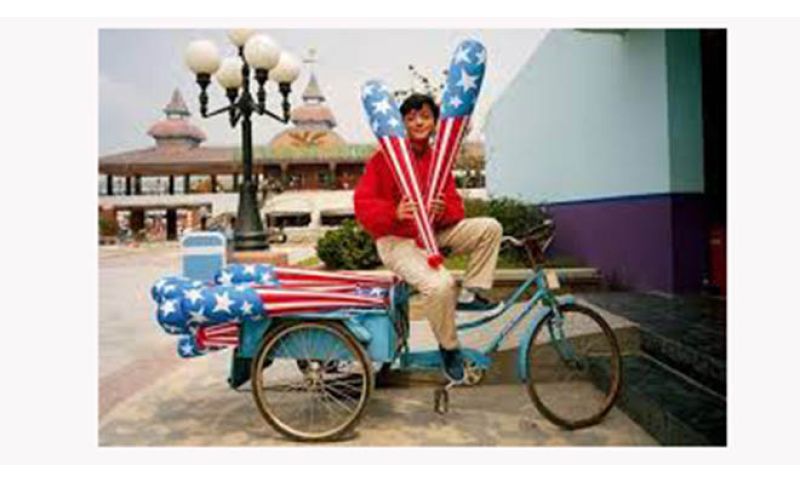
Martin Parr – who passed away last December 6th, he was 73 years old – lives on in two exhibitions, at the Jeu de Paume in Paris, France, and at the Martin Parr Foundation in Bristol, England, until May 24th. English from Epsom, the far outskirts south of London, he inherited photography from his grandfather, then studied photography, taught photography, dedicated himself to photography, so much so that his photography was as special as he was. He didn't frequent the stages, neither of theaters nor of war, he didn't chase stars, neither of cinema nor of sport, he didn't seek effects or surprises. His effects and surprises were those of everyday, common, normal life. When Parr went to a beach, he photographed the people roasting in the sun, who didn't hide their bellies, who read a book or wore sunglasses, those yes, ridiculous ones. He photographed details often out of place, out of time, out of rules, unexpected, even very kitsch, but real. Cynical, they called him. Instead he was truthful.
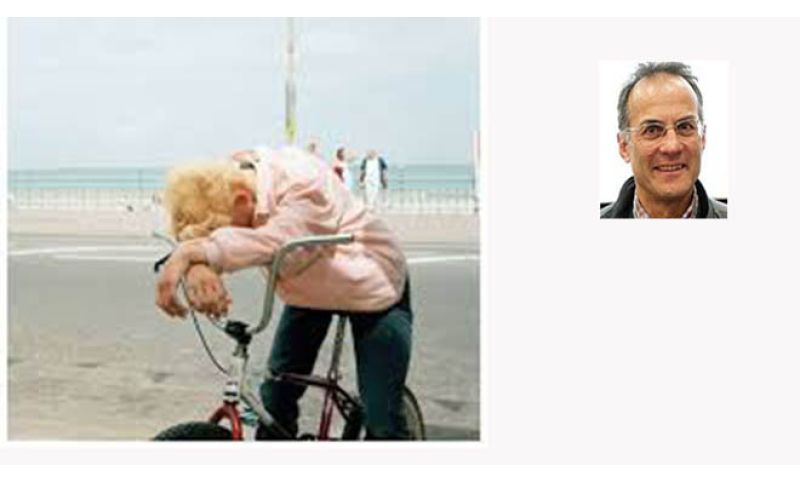
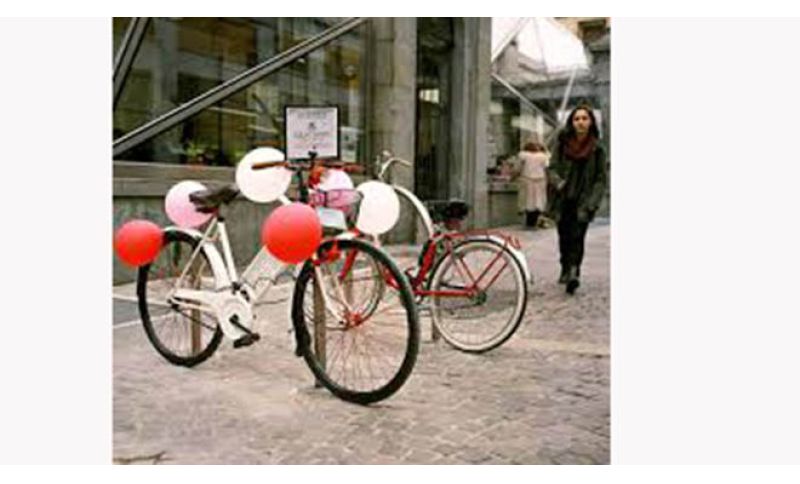
In Parr's vast heritage of works, cycling isn't there, but bicycles are. And they are bicycles that inhabit and breathe, that accompany and support, that testify and certify. That bike led by hand while a diver seems to fly over the sand, those bikes with balloons tied to the frame outside an aesthetics shop, that bike that witnesses a strange encounter, or crossing, at the sea…
He gave the impression of having a lot of fun, Parr. When he photographed spectators observing bird flights with small binoculars, when he photographed couples of feet on tables or couples of twins on the street, when he photographed almost everyone from behind, ordinary men, anonymous women, silent passersby. Parr had his own humor – already mentioned – special.



 2
2
 2
11
11
5
5
25
25
1
1
3
3
5
5
2
11
11
5
5
25
25
1
1
3
3
5
5

 Ritratti
 Oscar
Oscar Albi d'Oro


Se sei giá nostro utente esegui il login altrimenti registrati.