
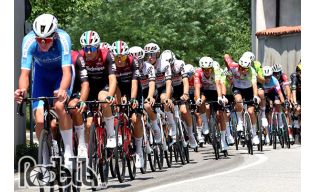














A blizzard, a storm of ice. The invisible mountains, the impassable road. Ivory-colored legs, numb hands. And the descent. About fifteen kilometers from the finish: that descent is torture, a martyrdom. And then a thought, like a desperate hope: if I die – he speaks to himself – I'll be saved. If I die, I'll be saved.
It's June 5, 1988, the Giro d'Italia, the stage from Chiesa Valmalenco to Bormio, the Gavia stage. That cyclist who, if he dies, will be saved, is Pino Petito, from Civitavecchia, twenty-eight years old, in his eighth year as a professional, racing for Gis Gelati and the favorite student of Sandro Scaccia. The thought of that "mad but sweet moment," "such is the suffering in that moment that the thought of death becomes sweet and consoling," are his words, but probably also those of his mentor, the one who "raised" him in his "workshop." Petito won't have to die to survive. But do as always: grit your teeth. And pedal.
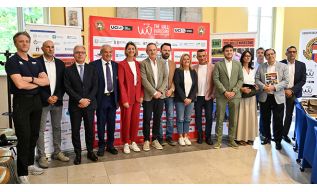
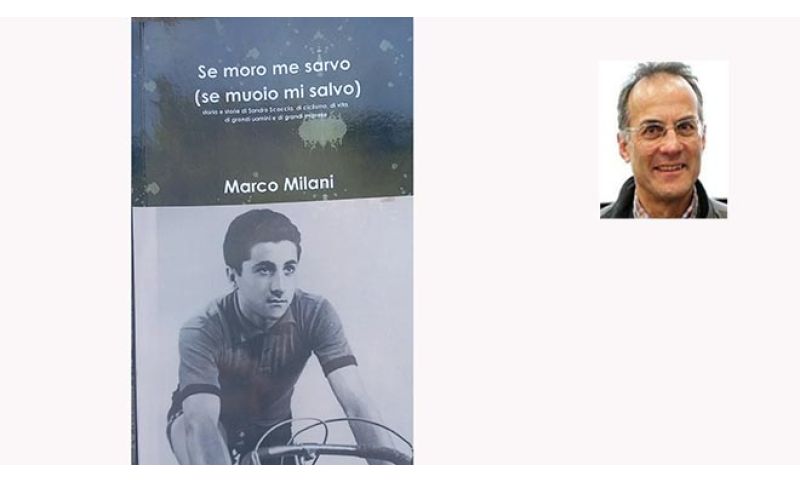
"If I die, I'll be saved" is the title of a small book wanted by Francesco Scaccia, son of Sandro, written by Marco Milano and published in 2015 (84 pages, no price indicated). The story of Sandro Scaccia, or as the subtitle reads "Story and stories of Sandro Scaccia, of cycling, of life, and of great men and great deeds." A twentieth-century and complete story, recomposed with affection and respect, to be read and heard, to be imagined and also to be breathed in, the smell of oil and grease, of tires and chains, in its own way a bicycle tube that smells of bikes and passions.
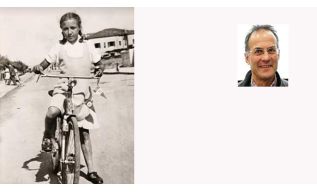
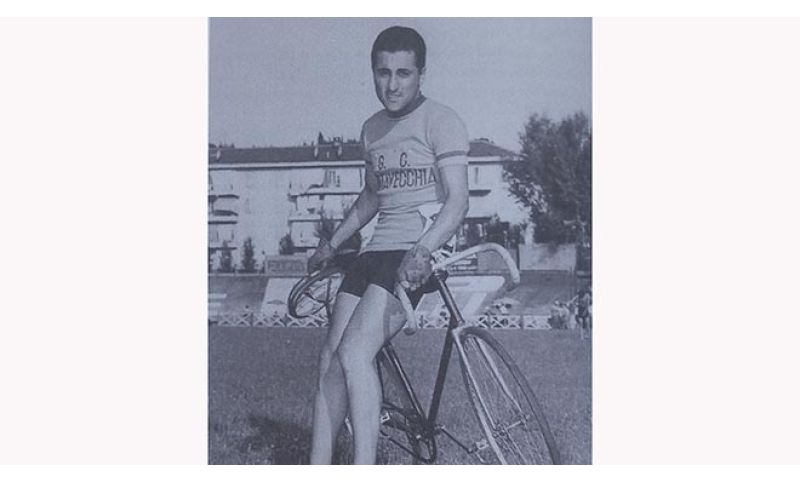
The Scaccias who had emigrated from the Marches to Lazio and who in Allumiere dealt with livestock. Him, Sandro, who was nine years old when his father, Francesco, entrusted him with the task of taking a mare from Allumiere to Orbetello, he left at dawn, arrived in the afternoon, mission accomplished. The Scaccias who moved from Allumiere to Civitavecchia and ran a butcher shop, before the Second World War razed the city and their lives to the ground. Him, Sandro, who had already started cycling, first for leisure, then in races. Him, Sandro, who after the war began living again by dreaming and opening a bicycle mechanic shop, with the help of a friend and his father's support, and who started racing again, this time wearing a worn and patched Mater jersey. Him, Sandro, who when he needed a spare part would jump on his bike and go to Rome, to Lazzaretti or Chiappini, 80 kilometers there and 80 back. Him, Sandro, who in the early fifties moved his shop to via Baccelli, number 18, the same one – revised and corrected – where even now Francesco, Sandro's son, runs a shop where bicycles are sold and repaired. And where stories of races and cyclists are passed down.
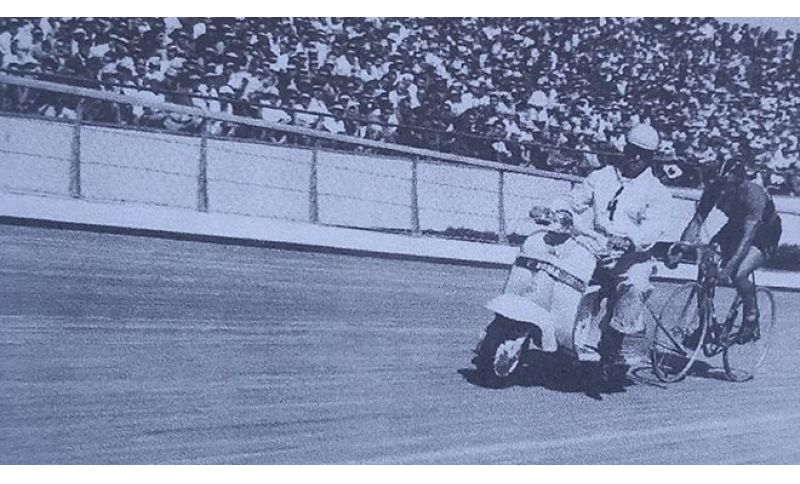
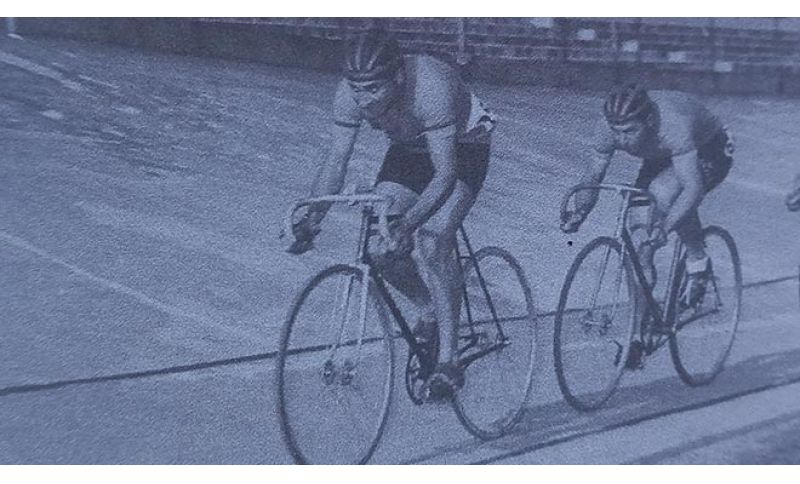
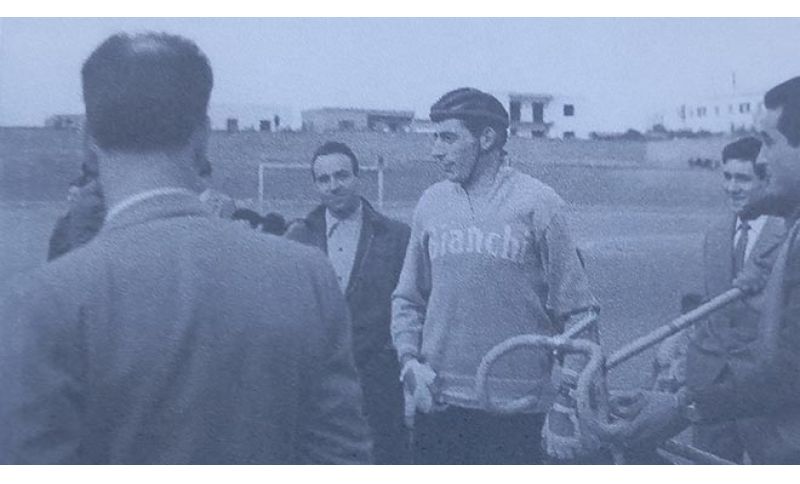
That time when Sandro convinced his schoolmate Antonio Pizzabiocca to become his partner, then sent him to Torpado in Turin to specialize in turning. That time when Sandro went to Milan, to the Vigorelli, to Faliero Masi, to ask him to build a frame for his nephew, and Masi replied: "Where are you from? From Civitavecchia? And you come to me for a frame, when down there you have Pizzabiocca, the best frame builder in Rome?" Those times when Bartali and Coppi, Magni and Bobet came around Civitavecchia and trusted Scaccia. That time when Louison Bobet himself wanted Scaccia with him as a mechanic at the Giro di Sardegna in 1958 and 1959, and Sandro even put his own car at his disposal as a support vehicle. "When the French cyclists boarded at the port of Civitavecchia they all burst out laughing because when loading the car on board the bottom of the car was exposed and it was discovered that aluminum advertising panels had been used to seal the bottom." That time when Sandro prepared the bike for Fausto Coppi, it was November 1954, and the Campionissimo was racing in a meet in Civitavecchia on a dirt track. That time when Sandro, an activity mainly on the track, became regional champion in the stayers and came third in the Italian championships. That time when Sandro competed in an omnium at the Rome velodrome and in the motorpaced event beat everyone, even professionals (but not specialists) like Livio Trapè and Vito Taccone. And Marcello Mealli, the organizer, half joking and half serious, told him he would never invite him again. And no one knew that to participate in that event, Sandro had woken up at six in the morning and gone to Rome by bike.

 1
1


 1
1


 5
5
3
3
5
5
3
3

 Ritratti
 Oscar
Oscar Albi d'Oro

