
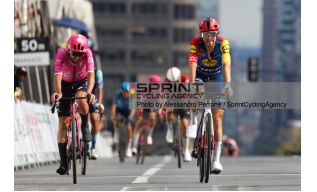
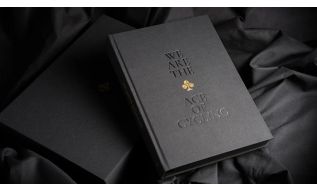
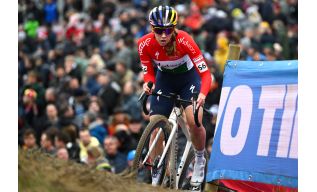
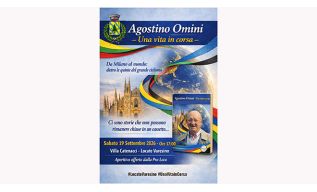

















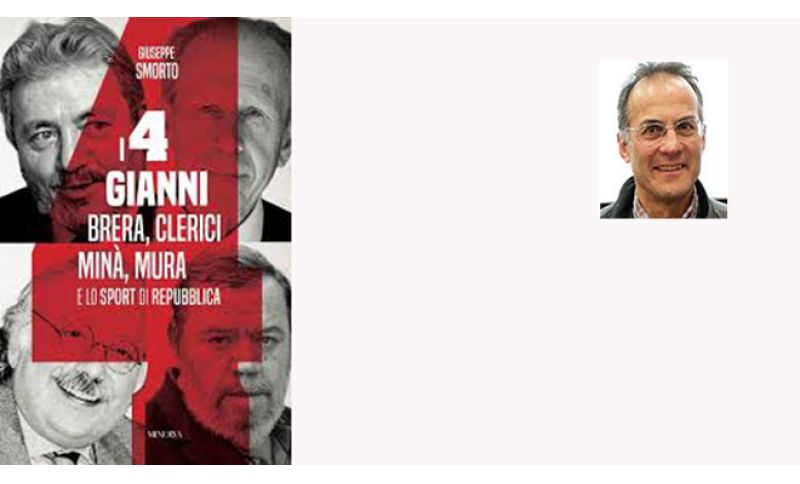
In 1949, at age 30, Brera becomes editor of "La Gazzetta dello Sport". Amid the controversy of the cycling world, he writes a front-page editorial defending the pink jersey of the Giro d'Italia – the first in history for a non-Italian rider: 1950 – worn by Hugo Koblet, a Swiss cyclist: "Sport knows no barriers of blood nor of opinions. In sport there are not and must not be foreigners". In 1982 he is hired by "Repubblica". He is the first of "The 4 Gianni" by Giuseppe Smorto (Minerva, 234 pages, 18 euros).
That time when, just weeks after Brera's arrival, "Scalfari begins to celebrate him, claiming he brought fifteen to twenty thousand readers (in reality no one will ever know for sure, because in those years 'Rep' experienced vertical growth) but suddenly he begins to recite a piece by the Bard (as he was nicknamed by his colleagues). With an almost theatrical tone, the director puts on a dozen neologisms, from thunderous to cippirimerlo, doesn't overlook the friends that Brera sometimes mentions, dwells on some foreign terms, even on some quotations, until he utters the definitive phrase: 'I don't understand a damn thing!'".
That time when Brera renounces the Los Angeles 1984 Olympics: "It seems that during his trip to America after resigning from the direction of 'Gazzetta' in the early Fifties, he seduced the girlfriend of a gangster, an Italian-American heavily involved in the boxing match circuit. Brera is afraid to return to the States, and so it will be forever. He calls it 'legitimate self-defense'", "he moves to Monterosso, in Cinque Terre, and writes an article about the Olympics every day. In the end they even give him a prize".
That time when, 1982 World Cup, "on the eve of Brazil, he makes the famous promise: 'If Italy wins, I will go in procession on the day of San Bartolomeo in my town, San Zenone, wearing the robe of the flagellants'. After the victory over Brazil, the first phone call to the 'Repubblica' newsroom is from Eugenio Scalfari. 'Now you must honor the bet!'", until "Brera discovers that summer that the event had been cancelled for years, apparently not very attentive to the religious evolution of his hometown".
That time when he explains "I don't like computers because they change the words in my head". That time when he calls Umberto Eco a fool. That time when he defines "little cocker spaniel pieces" the reports of some writers sent to cover sports. That time when he claims "I do nothing but translate into Italian the dialect of southern Olona". That time when he jokes "today I stand to a writer like a sminfarolo, a street market musician, stands to a Veronese tenor". That time when Mura, about Brera's fertility, writes "he churns out gourmet dishes with the rhythm of a pizzeria".
And then Coppi. Brera discovers him at the 1949 Paris-Roubaix and from there he will inhabit him until and beyond January 2, 1960. From "I, Coppi", published the day after his death, in "Il Giorno" to "Coppi and the Devil", released ten months before arriving at "Repubblica". And pieces, and portraits, and stories, and details, a love affair and a love always declared and never extinguished. Smorto cites an unsurpassable piece by Brera on Coppi: "He has bright eyes, a mind that races beyond his own thoughts. They pass a damp sponge over his face caked with dust. The mineral water runs down his throat and seems to lose itself in the sand like an African river".
(end of the second installment – to be continued)
(the first installment: https://www.tuttobiciweb.it/article/1776236004)

 1
1


 1
1


 3
3
3
3

 Ritratti
 Oscar
Oscar Albi d'Oro

