




















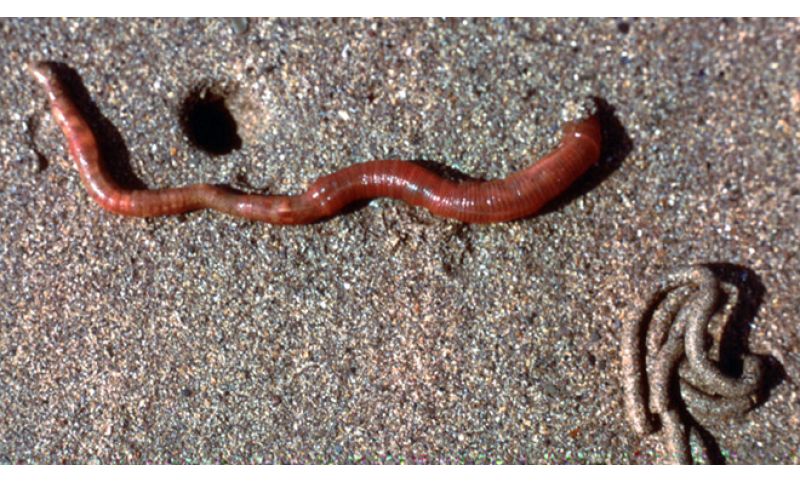
It comes from the sea and is truly ugly. Called Arenicola marina, a 15-centimeter-long worm, it boasts immense powers. The substance derived from it has been renamed M101 and transports 156 oxygen molecules compared to just four in human hemoglobin, and is efficient not only at the 37 degrees of our body but also when it's much hotter or much colder. Marco Bonarrigo writes about this today in Corriere della Sera, in a very explanatory and somewhat unsettling article. It's the new frontier of doping in sports, and what's striking is that it is currently completely undetectable.
They are working on golden hamsters, aptly nicknamed Lance A: when subjected to injections of a frozen hemoglobin extract from a worm common on the Brittany coast called Arenicola Marina, miraculous effects occur. What happens to these Lance hamsters? Bonarrigo writes, "After a cycle of M101 injections, their blood's ability to transport oxygen multiplies tenfold, hypoxia in poorly vascularized tissues suddenly decreases, and power and endurance grow much more than when our little mice were given EPO injections or blood transfusions: normal mice transformed into marathon runners, climbers, triathletes with extraordinary qualities. Side effects? None."
Launched by a French laboratory three years ago as a truly revolutionary drug to replace transfusions and erythropoietin in war scenarios, operating rooms, and organ preservation for transplants, M101 is officially the new public enemy number one on the blackest list of doping products (it was widely discussed at the recent WADA conference in Busan, South Korea).

 8
8


 8
8


 1
1
1
1
1
1
1
1

 Ritratti
 Oscar
Oscar Albi d'Oro

