HISTORY | 15/09/2026 | 16:00
di Marco Pastonesi
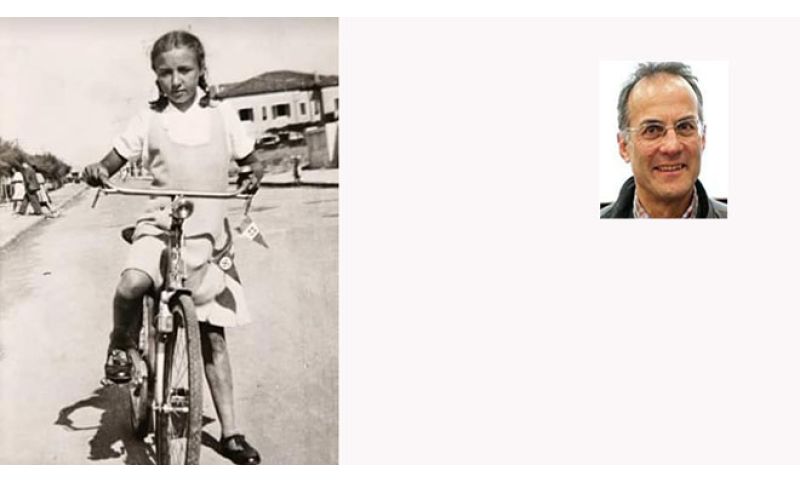
Emilia. Oriana Fallaci was 14 years old when, introduced into the Resistance by her father, on bicycle and under the nom de guerre Emilia, she served as a courier for the city unit of Giustizia e Libertà, linked to the Action Party: she crossed the Arno at shallow points and carried newspapers, messages, posters, even weapons and ammunition to the partisans, and later accompanied English and American prisoners who had escaped from Italian concentration camps and were heading toward the Allied lines.
Twenty years since her death – today – Fallaci, from courier to journalist and writer, Florentine by birth, thought and nature. In "If the Sun Dies" she recounted: "My childhood is full of heroes because I had the privilege of being a child in a glorious period. I frequented heroes the way other children collect stamps, I played with them the way other girls play with dolls. Heroes, or those who seemed like heroes to me, filled to the brim eleven months of my life: those from September 8, 1943 to August 11, 1944, the German occupation of Florence. I believe I developed my veneration for courage, my religion for sacrifice, my fear of fear".
Fallaci who at age 22 wrote an article – it was August 28, 1951 – not about Bartali or Coppi, but about Toni Bevilacqua, "Labròn", who became world champion in track pursuit, interviewing Toni's mother, Anna, perhaps the first of her women subjects, in her home in Santa Maria di Sala. Fallaci who inhabited Federico Fellini's Cinecittà with Marcello Mastroianni, Totò and Anna Magnani, and who saw Hollywood "through the keyhole". Fallaci who was the only Italian female journalist sent to Vietnam in 1967, and who in 1968 at the Mexico City Olympics was wounded (and presumed dead, so much so that she was taken directly to the morgue) by a gunshot during the suppression of a student protest demonstration. Fallaci who interviewed all the greatest politicians on Earth and who also interviewed herself. Fallaci who took a stand by writing a "Letter to an Unborn Child" while Italy was debating abortion law. Fallaci who, facing Khomeini, had the courage to remove the veil that covered her head. Fallaci who discovered she had cancer and spoke about it publicly: "I don't understand this modesty, this aversion to the word cancer. It's not even an infectious disease, it's not even a contagious disease".

Copyright © TBW




 3
3
 3
3

















 Ritratti
 Oscar
Oscar Albi d'Oro


Se sei giá nostro utente esegui il login altrimenti registrati.