



















Women's cycling has made remarkable progress over the past few years, reaching a level of preparation, technique, and use of materials that increasingly approaches that of men's cycling. This progress is demonstrated by a series of factors, including aerodynamic testing in wind tunnels, altitude training camps, and detailed analysis of body position on the bicycle.
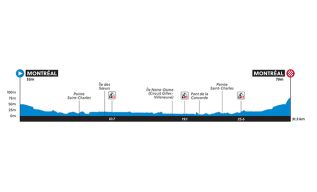
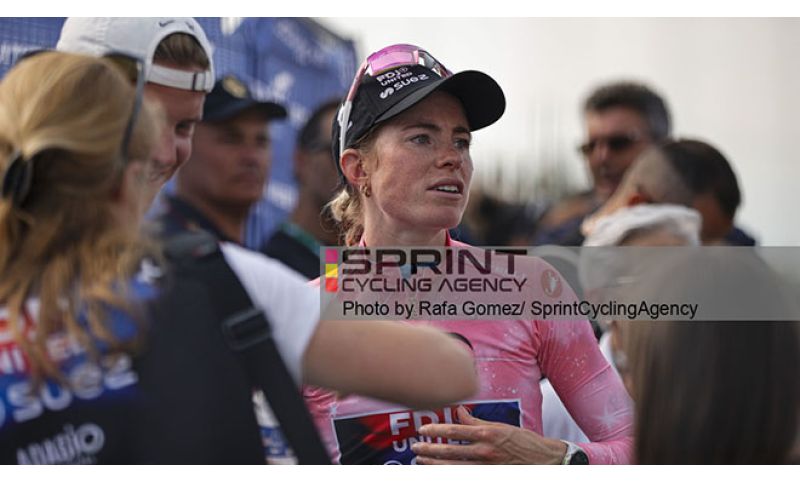
FDJ United-Suez's attention to preparing Demi Vollering for the Tour de France time trial, which will take place on August 4th, is a striking example of this evolution. During the winter, the team organized aerodynamic testing sessions and track trials at the Ghent velodrome, where Vollering worked on a new cockpit configuration for her bike, developed in collaboration with partner Speeco. This 3D-printed prototype was designed to optimize the angle of aerodynamic appendages, a crucial aspect for improving performance.
The Flemish Cycling Center hosted wind tunnel testing sessions, where the collected data was used to further refine the bike's aerodynamics. Flavien Soenen, co-director of performance at FDJ United-Suez, emphasized the importance of testing Vollering's position at various handlebar heights, highlighting the meticulous attention dedicated to every detail.
The bike model chosen by Vollering, the Specialized S-Works Shiv-TT, is an example of high technology: lightweight and aerodynamic, it was designed to maximize race performance. The combination of advanced materials and innovative design has allowed cyclists to compete at levels never seen before.
Beyond technology, physical and mental preparation plays a fundamental role. Vollering described the testing work as a crucial exercise to improve her speed and endurance. Her preparation includes an intense training program, with tests that simulate race conditions to gather significant data.
In a controlled environment, Demi Vollering performed speed runs, with the goal of finding a balance between comfort and aerodynamics. The results of these trials are fundamental in determining the aerodynamic drag coefficient, a key figure for time trials.
With the Classics season having concluded and the Tour de France approaching, Vollering had to face high-level competitors, such as Pauline Ferrand-Prévôt. The absence of a time trial in past editions could favor the Dutch cyclist, who has proven to be one of the best in her field.
FDJ United-Suez has great ambitions, aiming for a Tour de France victory. The team is determined to retain the Dutch rider, whose contract expires at the end of the season, and is investing in her preparation to maximize the chances of success.
Women's cycling has made enormous progress in terms of preparation, technique, and materials, making races more competitive and fascinating. The testimony of Demi Vollering and the meticulous preparation of FDJ United-Suez are symbols of a new era in women's cycling, where innovation and dedication are leading athletes to achieve extraordinary achievements. The future of women's cycling looks bright, with the promise of ever greater equity compared to the men's world.



 1
1
 1
1
1
1
1
1

 Ritratti
 Oscar
Oscar Albi d'Oro


Se sei giá nostro utente esegui il login altrimenti registrati.