























While the Grande Boucle captures the world's attention on French roads, in Turkey cycling finds itself at the center of quite an unusual controversy. Mehmet Fatih Çiçekli was removed from office on July 18 because he wore cyclist shorts during his cycling outings. What happened has raised questions about the relationship between sport, politics and culture in the country.
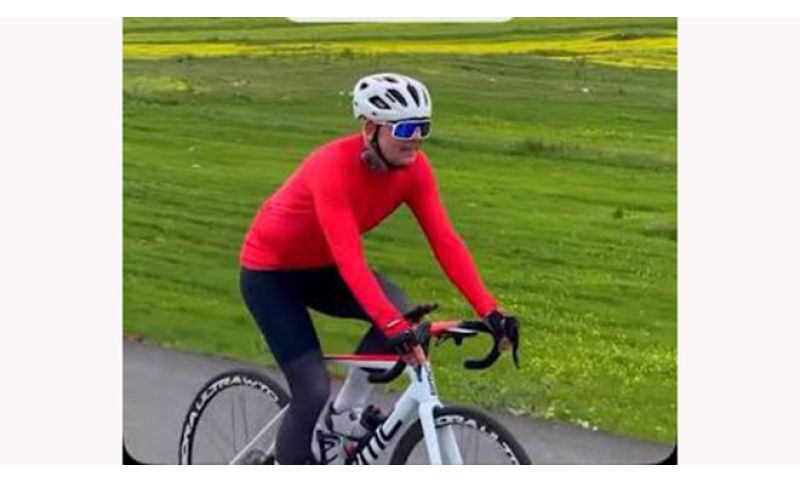
Çiçekli, who became governor in January, had made cycling a central part of his public image. On social media, he displayed his love for the sport, regularly wearing his cycling gear: red jacket, black shorts and helmet. However, his choice of clothing attracted criticism from some members of the Turkish National Assembly. Inan Akgün Alp, a parliamentarian from the opposition CHP party, stated: "He goes around in leggings among the citizens. That's not how a governor should behave". His words sparked a smear campaign that culminated in Çiçekli's removal.
The debate over the governor's clothing divided public opinion. Some, like journalist Fatih Altayli, ridiculed the situation, highlighting the absurdity of the criticism: "What should the governor have worn to participate in a cycling race? A suit?" Others, like Murat Suyabatmaz, president of the Turkish Cycling Association, pointed out how the controversy could, paradoxically, contribute to the development of cycling in the country.
In Turkey, cycling is still considered a niche sport. With fewer than 20,000 registered cyclists and a cycling culture that is not widespread, cycling clothing is often viewed with suspicion. Enes Kanbur, cycling expert for Eurosport, highlighted how criticism is common, especially in small towns where wearing tight-fitting pants is frowned upon.
The Turkish term for cycling shorts, "tayt," is associated with women's leggings, contributing to a negative perception of the clothing among some segments of the population. Nurullah Gençeli, an amateur cyclist, recounted how he receives judgmental looks and critical comments for his clothing. This reflects cultural resistance to what is considered "masculine" or "feminine".
Beyond the clothing issue, there are also political elements and regional rivalries in the mix. Ardahan, Çiçekli's province, is close to Kars, where parliamentarian Akgün Alp found fertile ground for his criticism. Meral Danyildiz, journalist for the newspaper BirGün, suggested that cycling may have been a pretext to attack the governor, given that Ardahan aims to become a destination for cycle tourism.
After his dismissal, a petition to reinstate Çiçekli collected nearly 8,500 signatures, demonstrating support from part of the population. In an interview, the removed governor stated he accepted the decision, but promised to continue cycling "more than ever," wearing his shorts.
This controversy is not merely a matter of clothing: it is a reflection of the cultural, political and social tensions that characterize contemporary Turkey. As the debate continues, the future of cycling in the country could be influenced by this episode, leading to greater visibility and, perhaps, a change in existing prejudices.

 4
4


 4
4


 9
9
5
5
9
9
5
5


 Ritratti
 Oscar
Oscar Albi d'Oro

