















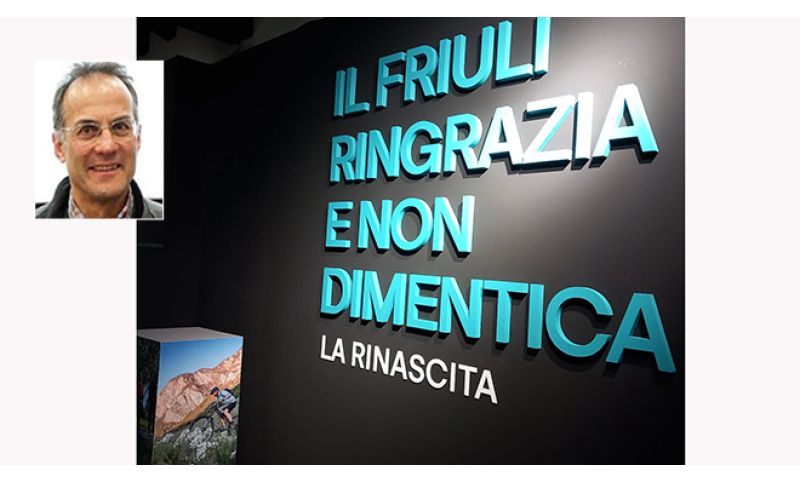
Orcolat. The ugly ogre, the beast itself. The earthquake. An end of the world that lasted long, very long, 59 seconds, an eternity.
That May 6, 1976. It was 9 p.m. In Gemona, but also in Taipana and Artegna, Nimis and Montenars, Osoppo and Sequals, Tarcento and Venzone, Buja and Trasaghis, the earth trembled, shook, swallowed, crumbled, devastated, erased, annihilated, razed. And it was night even in daylight.
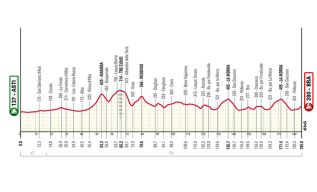
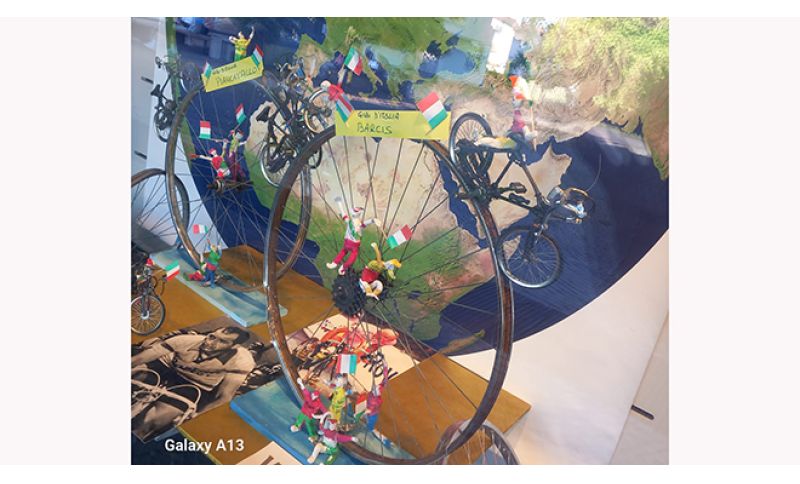
Fifty years later, the Giro d'Italia. The Corsa Rosa had already passed through—and the pink was that of hope and solidarity, an embrace of wheels and souls—in 1977. The riders, after the stage from Trieste to Gemona and before the one from Gemona to Conegliano, wandered through Gemona bewildered, shocked, incredulous. Now (and not just now) Gemona is reborn, resurrected. Hospitable, sunny. Dressed for celebration, among thousands of tricolor flags, among hundreds of cycling shop windows, among events that accompany the Giro. Concerts and exhibitions, but also workshops and meetings. Life is round. Vingegaard and his colleagues will honor it, Milan and the Italians will ennoble it, "suiveurs" and television viewers will admire it.
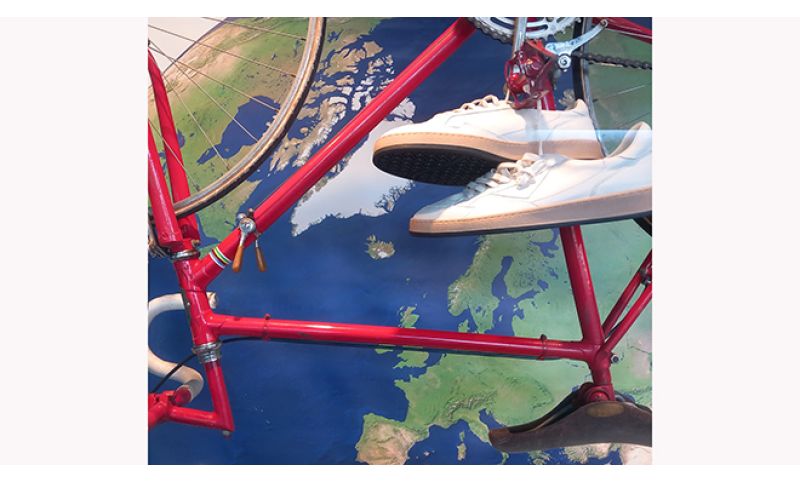
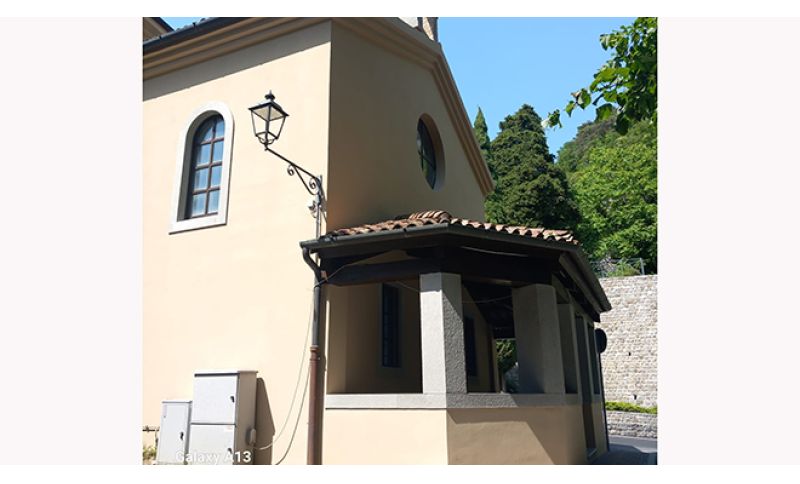
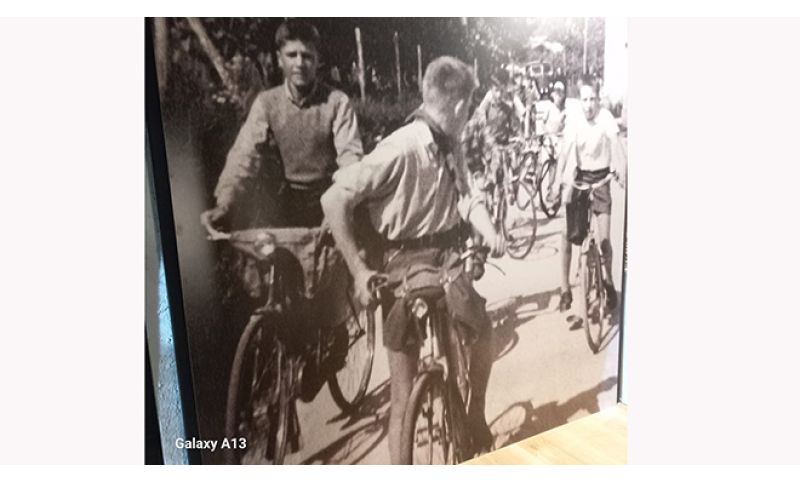
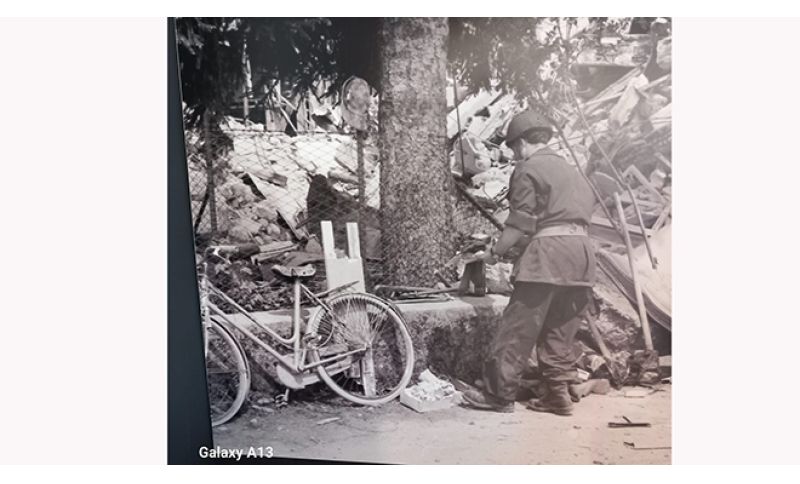
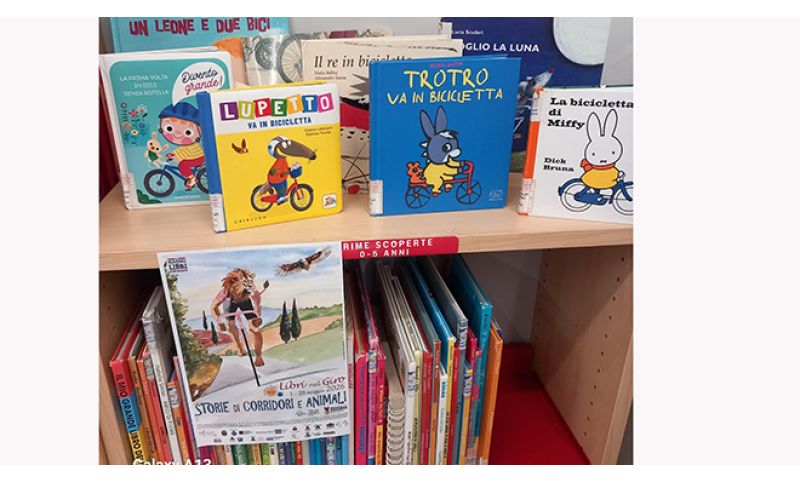
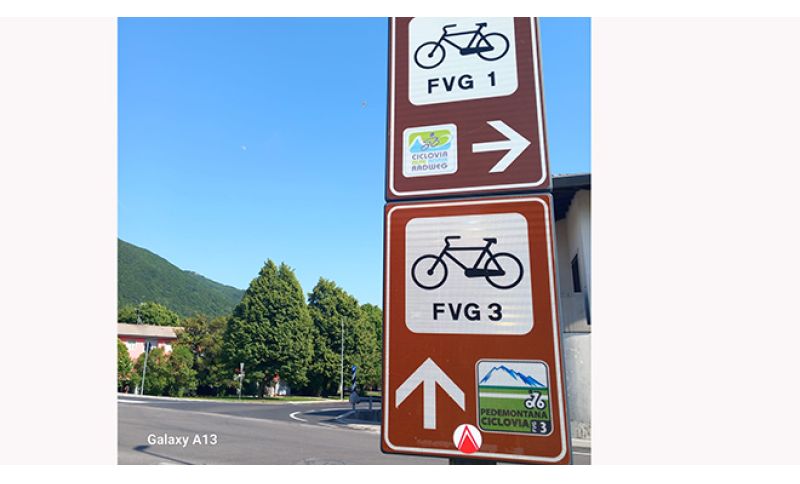
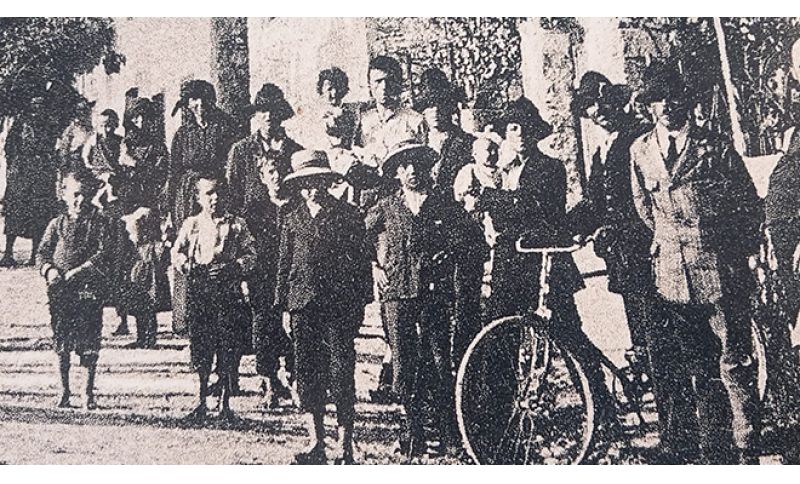
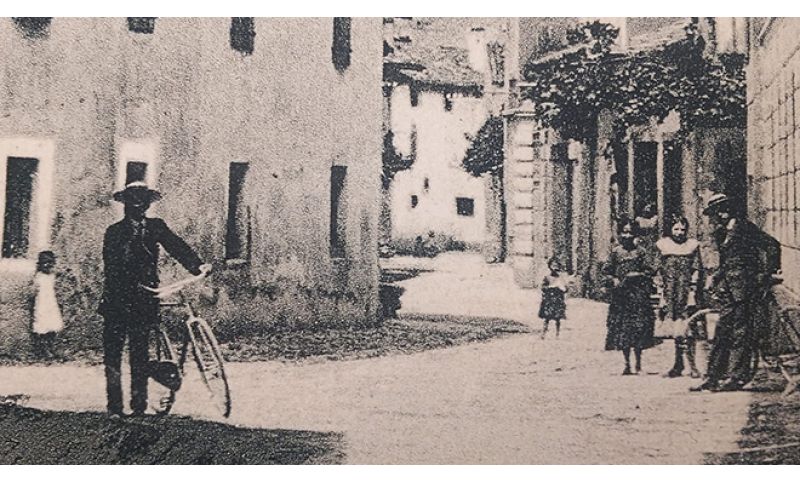
Gemona has rewritten its history also on pedals. The bicycles that appeared, bare and skeletal, miraculously intact, among the rubble, a sign of normality to cling to, to draw inspiration from. The bicycles ridden by children, because the world is saved by children, but the bike also helps save the world. The bicycles that inhabit the shop windows, marvelous musical instruments (the music of silence), formidable messengers of peace (peace travels by bicycle, by no other means), dreams of steel and jewels of carbon, horses for knights of road adventures, geographic explorers and historical witnesses. The bicycles of paper (novels, essays, countless children's books) in the Municipal Library, the bicycles on road signs indicating the Alpe Adria cycle route (FVG1, which runs from Salzburg, Austria, to the sea of Grado) and the Pedemontana cycle route (FVG3, which runs from Sacile to Gorizia and, in Slovenia, to Nova Gorica). And the bicycle that doesn't exist but is imagined, remembered, read, passed down, that of Ottavio Bottecchia: his lifeless body, in the funeral chamber set up in the Church of San Michele, 99 years ago.



 2
2
 2
11
11
5
5
25
25
1
1
3
3
5
5
2
11
11
5
5
25
25
1
1
3
3
5
5

 Ritratti
 Oscar
Oscar Albi d'Oro


Se sei giá nostro utente esegui il login altrimenti registrati.